how long the drug stays
PT-141 Half-Life: when blood levels rise and fall
Blood levels fall by half in about 2.7 hours. You may feel an effect after that fall.
What do the timing numbers mean?
After a PT-141 shot beneath skin, half life is about 2.7 hours [11]. That means half the medicine remains in your blood.
Blood levels reached their high point soon after the shot. Your body then removed the drug over several hours [11].
Older nose-spray research found a somewhat shorter time [6]. Most of the medicine leaves your body in urine [11].
These are group findings, not a clock made for you. Your own felt effect may end sooner or later.
How fast does PT-141 fall by half?
About 2.7 hours after your shot, half the PT-141 remains in your blood. The label found some difference from person to person [11].
After several such drops, most of the drug is gone. Picture water draining from a basin by halves, not all at once.
Early nose-spray studies in men found a shorter time [6]. That shorter result came from another route and can't set your time.
The approved shot's figure is about 2.7 hours [6][11]. Researchers stopped work on the nose spray.
The label describes hours, not days. That's why it calls the drug an as-needed medicine [11].
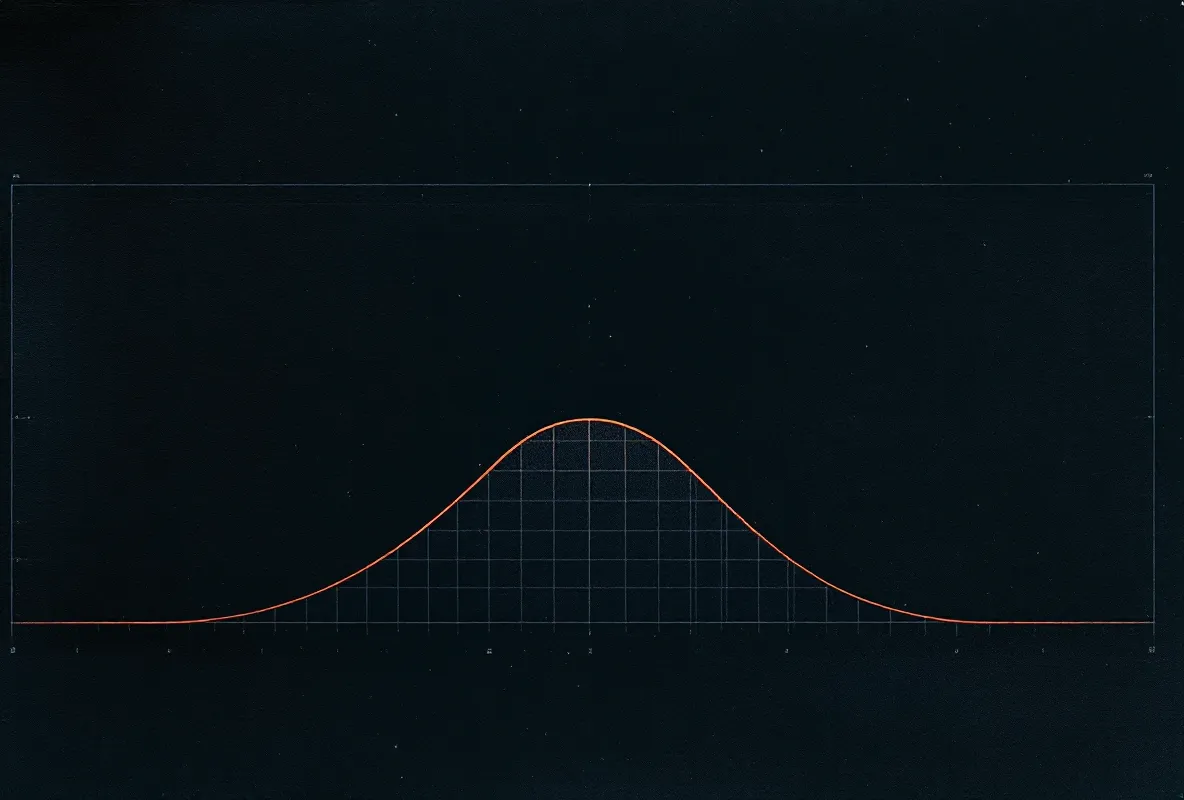
When did PT-141 blood levels and effects begin?
The drug label says to allow at least 45 minutes. Blood levels reached their high point soon after the shot [11].
That high point doesn't tell you when desire will start. It only marks the most drug in the blood.
Early PT-141 nose-spray studies found an erection response near 30 minutes in some men [6]. That was an early male use without approval.
The first measured effect and the high blood level came fairly soon [6][11]. A group finding still can't set your clock.
The label's 45-minute wording means the rise isn't instant [11]. It describes the approved medicine, not a plan for you.
How long does PT-141 last after blood levels fall?
After a shot, blood levels drop for several hours. The amount needs about 2.7 hours to fall by half [11].
In one brain-scan study, women felt more desire as long as 24 hours [5]. Their felt effect outlasted the high blood level.
For you, those clocks measure different things. One tracks medicine in blood, while the other tracks desire.
Only one study found the longer effect. It can't promise that you'd feel it for a day [5][11].
How does your body remove PT-141?
Urine carries most of the drug out of your body [11]. Some of the drug also spreads from blood into body tissues.
About 21% attaches to blood proteins for a while. Most of the drug remains free to move or leave.
Your body breaks the protein ring into smaller pieces [11]. Those pieces leave through urine or stool.
In one study, 64.8% left the body in urine. Another 22.8% left in stool [11].
Those figures came from the people in that study. They can't give you an exact time.
With a half-life of about 2.7 hours, most leaves within hours [11]. Your kidney health may change how a doctor reads the label.
The label doesn't give this page enough facts to change your amount. Your own medical choice needs a doctor.
Why didn't the PT-141 nasal spray reach approval?
Early nose-spray studies in men found more erection response above 7 mg [6]. The amount reaching the blood wasn't steady, though.
Researchers stopped the nose spray because results varied too much. They moved to the shot under the skin [6][11].
You can see an effect in that early work. The spray still isn't your approved form.
How do blood and desire change over the next hours?
After a PT-141 shot, blood levels rise fast. The amount needs about 2.7 hours to drop by half [11].
The study reports 64.8%/22.8%, with urine first and stool second. The first share is much larger.
The label says to allow at least 45 minutes. It permits just one use within 24 hours [11].
Those are group facts, not your personal schedule. A doctor would need to weigh your health.
One PT-141 study found greater desire lasting as long as 24 hours [5]. In that group, desire outlasted the high blood level.
Blood and desire follow different clocks. Neither clock can predict your own response [5][11].